

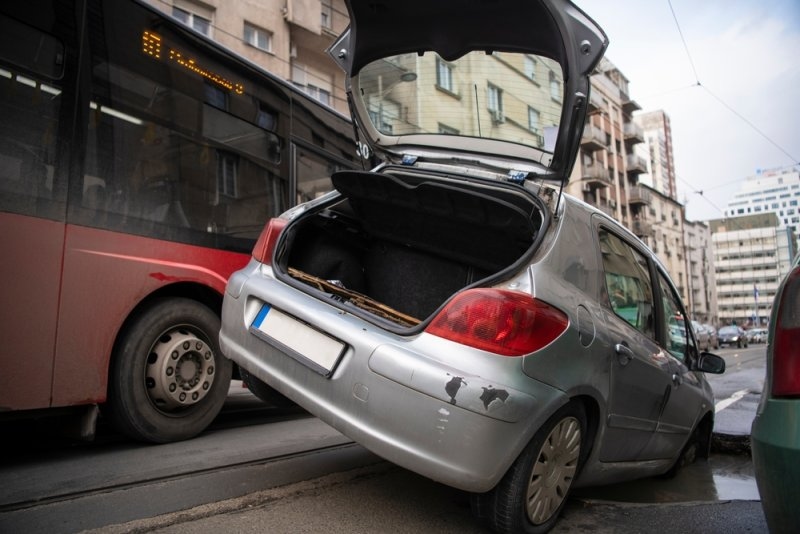
Earthquakes - we just can’t see them coming! One minute you’re cruising down the road without a care in the world, the next you’re in the middle of an earthquake. All at once, roads might crack and buckle, the signal lights you relied on could be wobbling like crazy, and structures could begin to crumble nearby.
Thankfully, there are ways you can prepare yourself so you don’t just panic the moment the ground starts shaking while you’re behind the wheel.
The earthquake driving safety habits you’ll learn below might sound obvious, but because earthquakes don’t come with a heads-up and might damage the surrounding environment, such as roads and power lines, knowing what to do ahead of time is key. Just remember that, unlike other kinds of disturbances that you may see, an earthquake just pops up.
The great thing about those in the know about earthquakes is that they have a plan in place and know what precautions they need to take, including knowing what to do in the car while driving.
You might not even know that it’s an earthquake when it occurs, and just assume your car is having a flat tire. The signs that an earthquake might be occurring include the shaking of the vehicle, difficulty in steering the wheel, swaying bridges or overpasses, falling objects from buildings nearby, unusual behavior from power lines, and malfunctions of your car’s signal lights and traffic lights.
In cases like this, you should recognize it for what it is: an earthquake. And start following safety procedures immediately.
Read More: Why Soft-Story Buildings Are Prone to Earthquake Damage
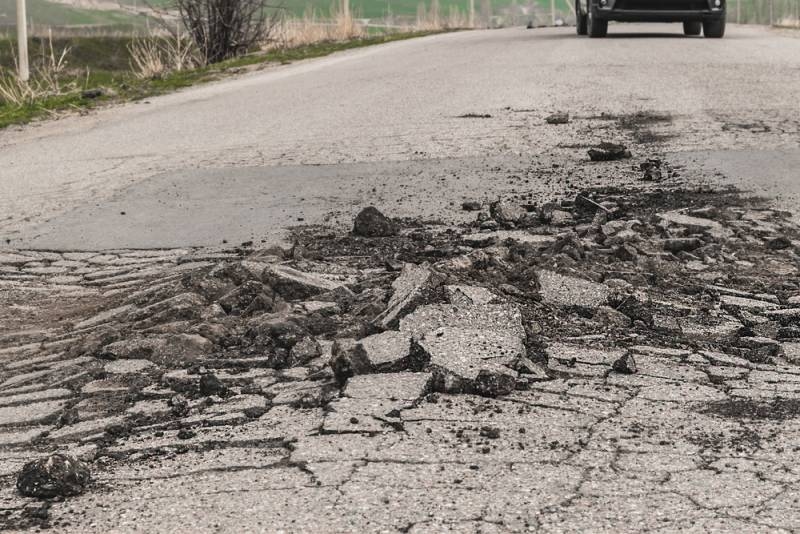
Taking actions during an earthquake that will prevent you from overreacting will allow you to avoid potentially risky moves, such as hard braking or sharp turning, which typically cause collisions. So with that in mind, do the following:
The more controlled you are with your foot, the greater the chance that you will avoid an incident. Because of this, simply reduce the speed of your automobile slowly without slamming on the brakes.
You don’t have to stop suddenly. You simply need to retain control.
Find yourself a safe place on the shoulder and pull over to the side.
Avoid the following places:
Falling objects are going to be your most dangerous enemy.
As this is going to protect you from broken glass and falling debris, remain inside your vehicle. Fasten your seatbelt and keep both hands on the wheel. The thought of abandoning the vehicle during an earthquake often comes to mind, but staying inside is usually the safer option.
The places you should never stop on the road are overpasses, tall buildings, power poles, signs along highways, or anything else that could collapse or send debris toward your car.
You must avoid these locations at all costs. If you find yourself currently on a bridge, continue moving safely and leave the structure as quickly as possible.
In the event that traffic signals fail because of the earthquake, you ought to treat all intersections as four-way stops where all drivers need to proceed carefully. This is extremely important because many crashes occur at intersections after earthquakes.
Always remember that patience plays a major role when navigating damaged roads. Rushing or becoming aggressive behind the wheel will only increase the danger.
As you’re likely traveling faster on a freeway than on ordinary streets, maintaining control of the vehicle becomes very important.
Follow these emergency driving tips:
These are some earthquake driving tips that you should always put into practice during an earthquake.
As soon as the earthquake stops, do an evaluation around your area before driving further.
Check for:
Drive with caution and stay attentive to aftershocks. Smaller earthquakes can happen minutes or even hours after the main event.
Earthquake preparedness begins long before the ground starts shaking. Keeping useful supplies in your vehicle can make a huge difference during emergencies.
Consider carrying:
They can be lifesaving if roads are impassable and your commute is impossible.
Part of preparing for a quake means setting up a plan for talking with members of your family. Your cell lines may also go down after a quake, blocking you from one another.
Identify where everybody will need to get together if the phones stop working. It helps, too, to notify someone outside the state how you’ll connect if the cellphone does go down.
Driving during an earthquake is stressful, and stress can lead to dangerous decisions. Avoid these common mistakes:
In some instances, these errors can place multiple individuals in danger, and earthquake safety tips help one prepare with safety driving methods and have a plan in case an earthquake hits.
Even though an earthquake can strike unexpectedly, travelling will remain a potential activity for motorists; there will be unique dangers associated with seismic activity, that motorists have to navigate through their vehicle for the safe traveling will remain a potential activity for motorists; there will be unique dangers associated with seismic activities before, during, and even after the activity is complete.
The three most critical steps to travel safely and survive: stay calm, stop where it is safe to do so, and observe conditions following the shaking to look for potential post- quake hazards.
It’s uncommon for a vehicle to sustain direct damage, but your vehicle’s tires, brakes, or steering system can be impacted by falling debris, potholes, or road surface damage. After the shaking ceases, be sure to look closely for any problems before you continue traveling, and listen to your car for signs that something is not right.
Yes, your hazard lights will signal to other drivers that something out of the ordinary has occurred and that they should take caution to help prevent a collision. This is especially useful during high traffic and low visibility in order to let confused drivers know that something may not be normal.
It depends, and there is not one specific time. There are typically various factors to take into consideration, such as whether a given car needs additional inspections, like where, when, and what kind of road is to be taken. Also, it might be advisable to get assistance if you hear or feel the vehicle act up, and if anyone has heard something like breaking down.
No, as concrete can be falling on top of you as well as potential structural failure, while being at parking garages may not necessarily put you safe if you are there during an earthquake strike, it's important that you pay attention to the directions. Prefer staying in the open.
This content was created by AI